
Many cyclists eat the same way in training and racing, then wonder why they run out of energy in the final kilometres. Training and racing have different goals, and fuelling should differ too.
Training days: fuel for the session
On short, easy rides the body copes well with its own stores and you don't need much carbohydrate while riding. In key sessions, such as hard intervals or long rides, running low on fuel lowers the quality of the work.
Long rides are the best chance to 'train the gut': try the same gels and timing you plan for race day, so your digestive system gets used to taking in carbohydrate while working.
Anything you use on race day should already have been tested in training.
Race day: a plan from breakfast to the finish
A carbohydrate-rich, low-fat breakfast about 2 to 3 hours before the start tops up liver stores. During the race, 30 to 60 g of carbohydrate per hour is commonly recommended for events of 1 to 2.5 hours, and more for longer events, using two types of carbohydrate.
Maltodextrin and fructose are absorbed through different routes, so the body can take in more carbohydrate per hour with less gut discomfort.
Timing: little and often
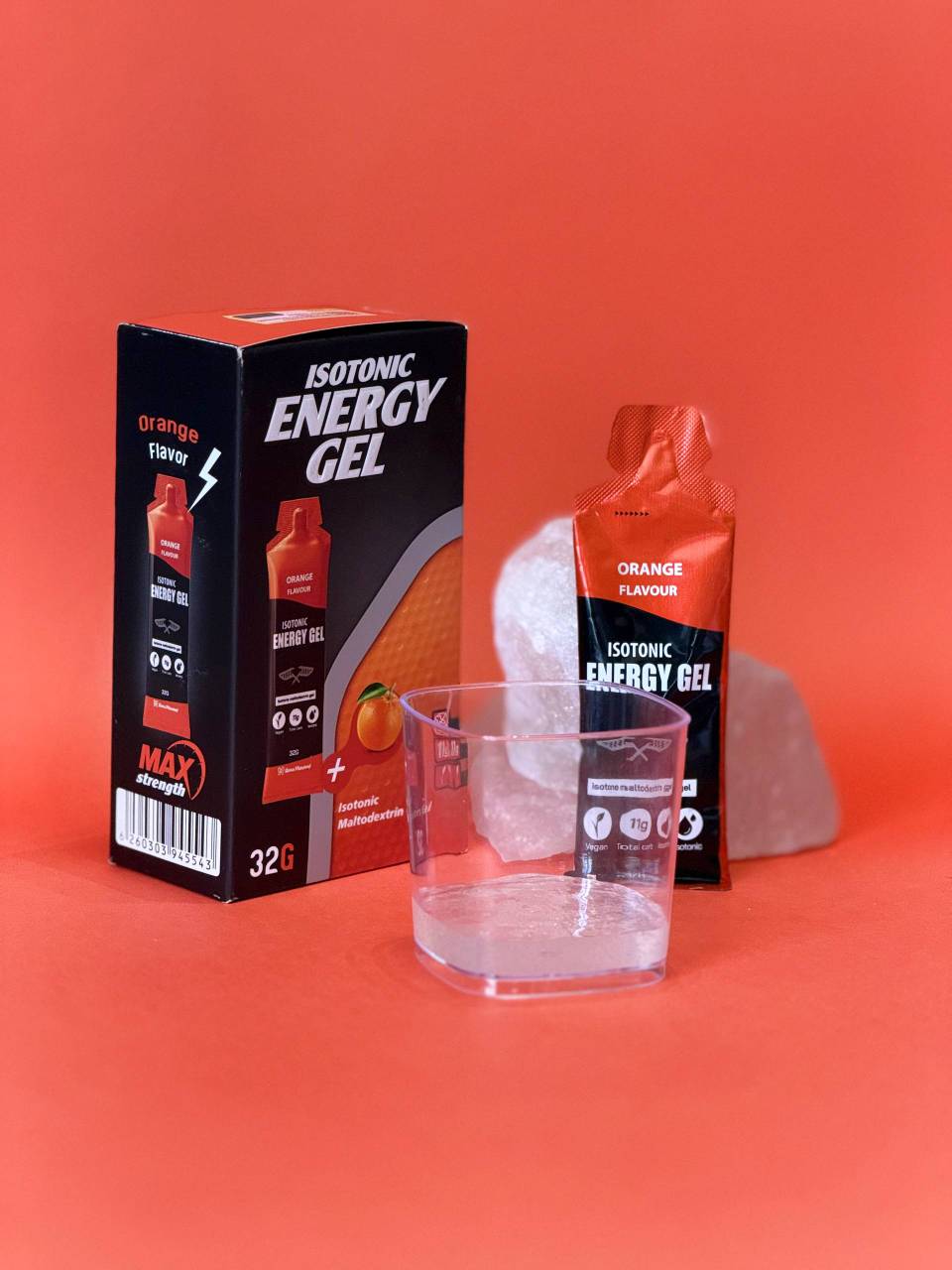
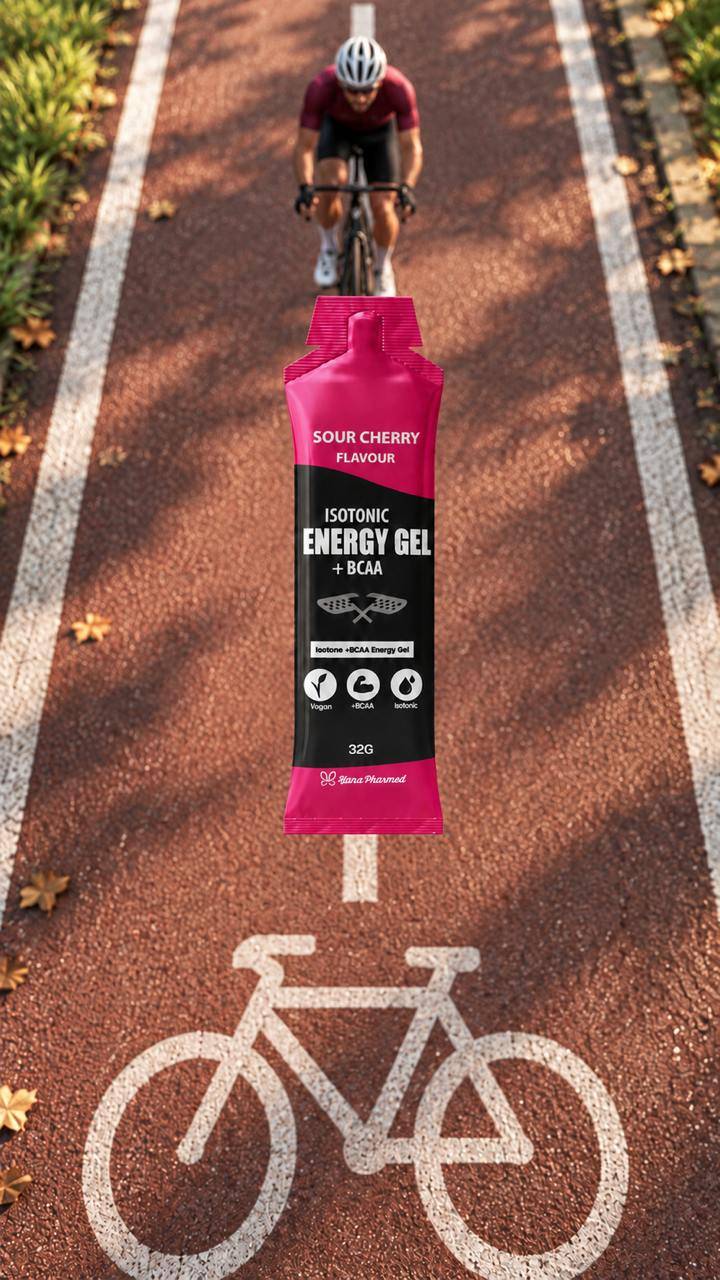
Instead of one big feed, take a small amount every 20 to 30 minutes, starting in the first hour; don't wait until you feel hungry or tired. Isotonic gels need no extra water, which makes things easier on the bike.
For the final, decisive stages, a caffeinated gel can help with focus and reduce the feeling of fatigue.
After the finish
Recovery starts with fluids, carbohydrate to refill your stores and protein to repair muscle, especially when racing on consecutive days.
- Easy rides: less fuel, focus on everyday food quality
- Key sessions: fuel like race day and train the gut
- Race: carbohydrate breakfast, regular fuelling from the first hour, caffeine for the finish
- After the race: fluids, carbohydrate and protein