

If you've run a marathon or a long session, you've probably felt the moment when everything suddenly gets hard. Runners have two names for it: 'hitting the wall' and 'bonking'. They feel similar, but the causes differ.
What is 'hitting the wall'?
Hitting the wall usually happens when muscle glycogen, the main fuel for your legs at higher intensities, is running out. Your legs get heavy, pace drops suddenly and holding rhythm becomes almost impossible. In a marathon it often happens in the final kilometres.
What is 'bonking'?
Bonking is more about low blood sugar: liver stores fall and the brain isn't getting enough fuel. The symptoms are mostly mental: dizziness, sudden weakness, irritability, poor focus and sometimes confusion.
The wall is in your legs; the bonk is in your head.
How to prevent both
For long races, building carbohydrate stores in the days before and a carbohydrate breakfast on race day are the foundation. While running, start fuelling in the first 30 to 45 minutes; around 30 to 60 g of carbohydrate per hour is usually a good target, depending on duration and intensity.
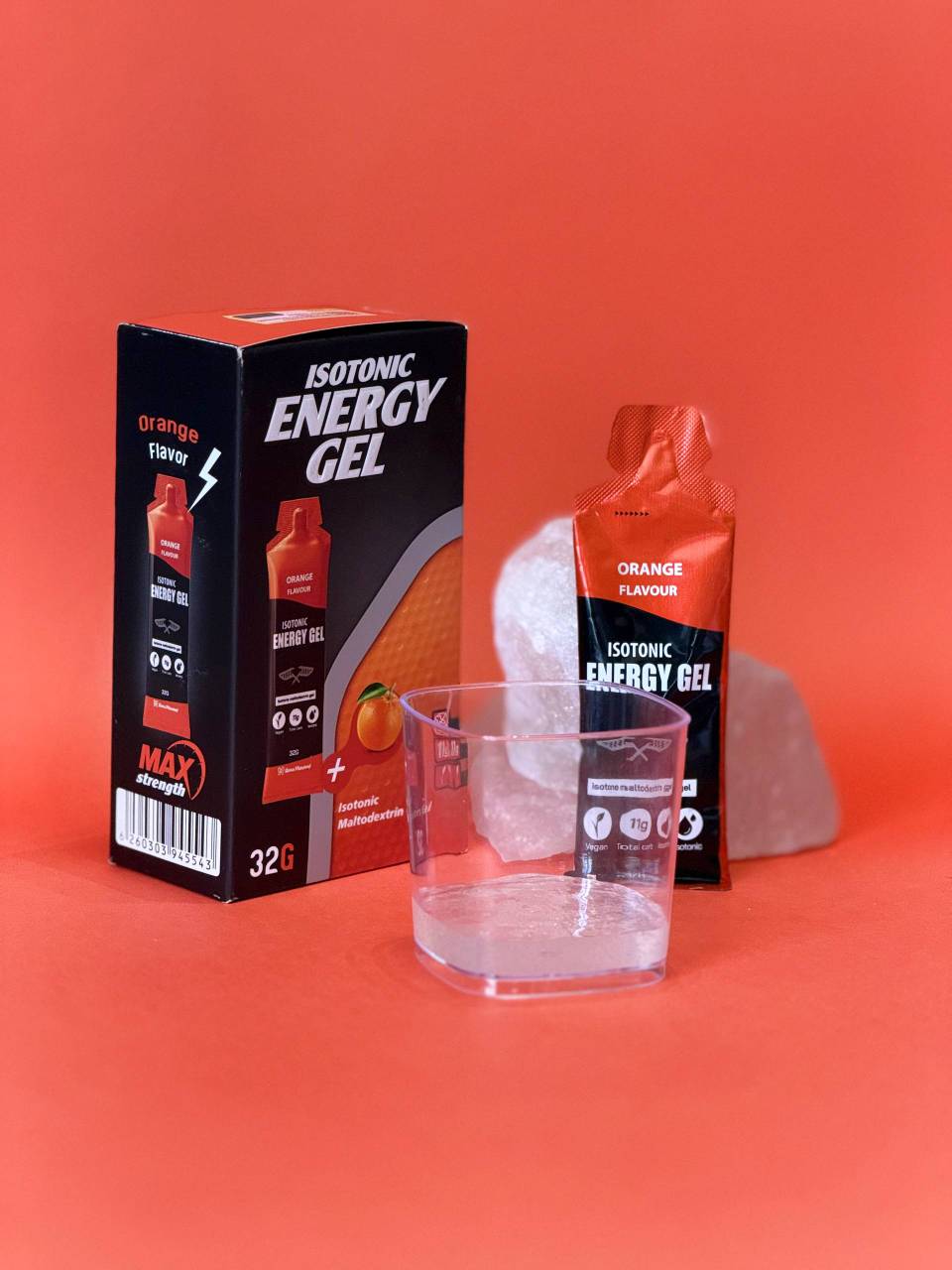
Isotonic gels are absorbed without extra water, so you don't have to time your gels with water stations, and bloating is less likely.
What to do if it happens
Slow down, take carbohydrate straight away and give your body a few minutes. In the final stages of a race, caffeine can help with focus and reduce the feeling of fatigue.
- Hitting the wall: muscle glycogen runs out; heavy legs and a sudden drop in pace
- Bonking: low blood sugar; dizziness, weakness and poor focus
- Prevention: carbohydrate loading, fuelling early and taking gels regularly