
A footballer covers several kilometres in every match, with dozens of sprints, changes of direction and jumps. This stop-start, high-intensity work depends heavily on muscle glycogen; when those stores run low, the number of sprints drops and decision-making slows.
Before the match
A carbohydrate-rich, low-fat main meal about 3 to 4 hours before kick-off, plus a light snack about an hour before if needed, gets your stores ready. Save new foods for another day.
Half-time: the golden 15 minutes
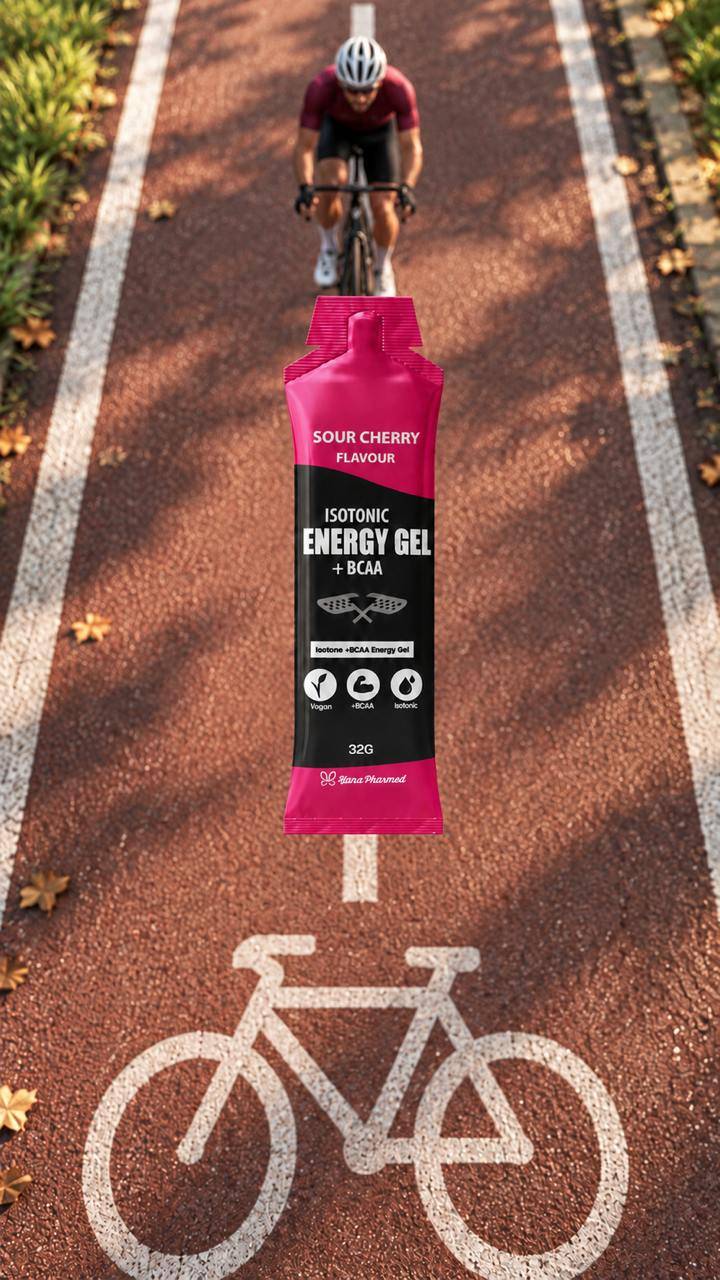
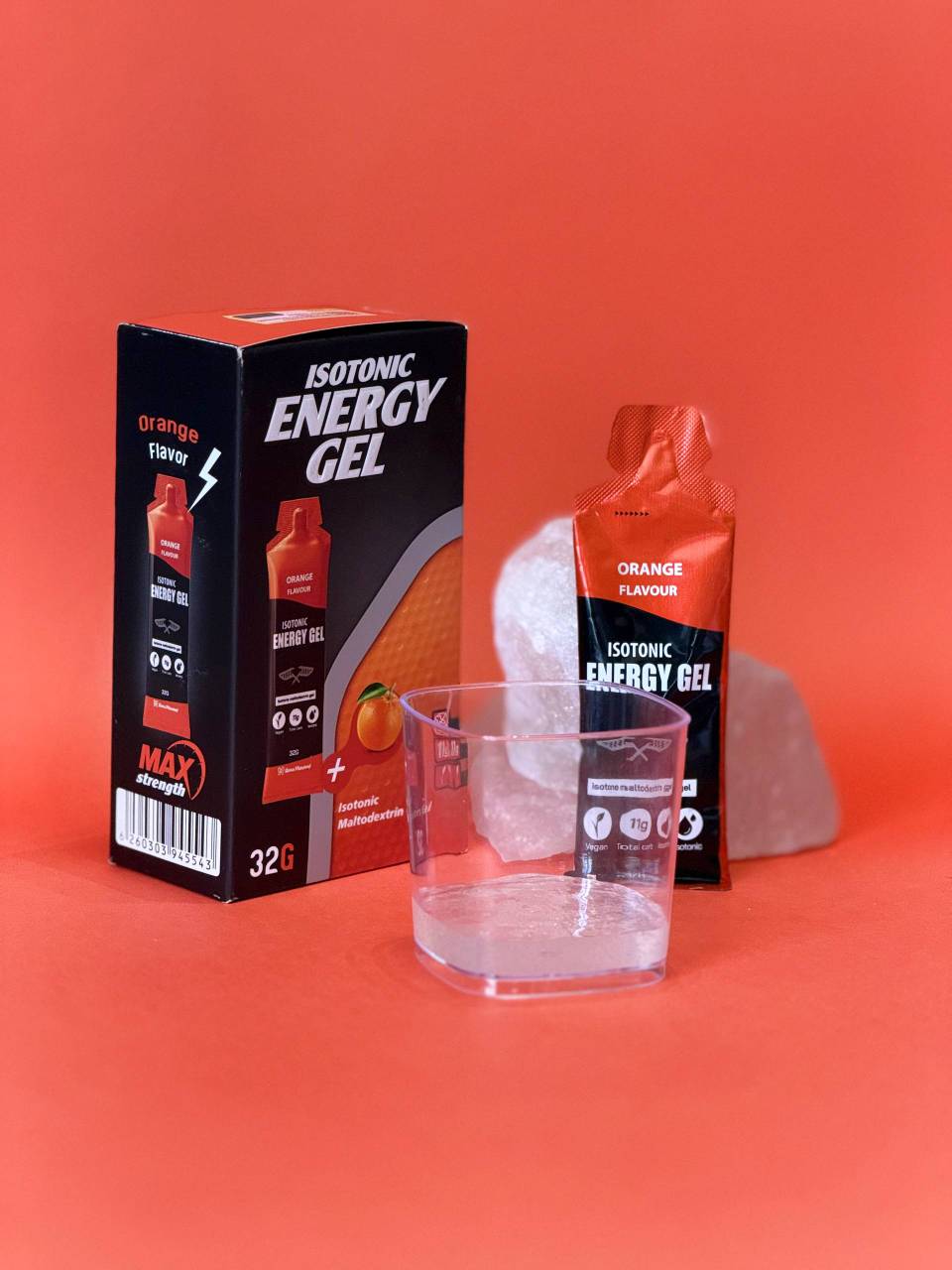
The half-time break is the best chance to replace some of the fuel you have used: some fluid and a fast carbohydrate source. An isotonic gel is absorbed without drinking a lot of water and does not feel heavy.
The final minutes, when fatigue hits hardest, often decide the match.
Extra time and the final minutes
If the match goes to extra time, another carbohydrate source helps. Caffeine can also support focus and reaction time as fatigue builds, as long as you have tried it in training first.
Congested fixtures and long training sessions
With two or three matches in a week, recovery matters: fluids, carbohydrate to refill stores and protein to repair muscle. In long training sessions, gels with BCAAs can provide energy and muscle support together.
- 3 to 4 hours before: carbohydrate-rich, low-fat main meal
- Half-time: fluids + an isotonic gel
- Extra time: extra carbohydrate and, if you like, caffeine
- After the match: fluids, carbohydrate and protein for recovery