Long swims, runs and rides have one thing in common: the body works for hours at moderate to high intensity, and its carbohydrate stores are limited. How much fuel you take, when, and in what form depends on how long you are exercising. Swimming adds one more challenge: you cannot eat or drink whenever you like.
How much carbohydrate per hour?
Sports nutrition guidelines set carbohydrate intake during exercise by its duration. These figures are approximate and should be fine-tuned for you in training.
| Duration | Carbohydrate per hour | Example with Hora products |
|---|---|---|
| Under 45 minutes | Usually not needed | Water only |
| 45 to 75 minutes | Small amounts | One Isotonic gel mid-session |
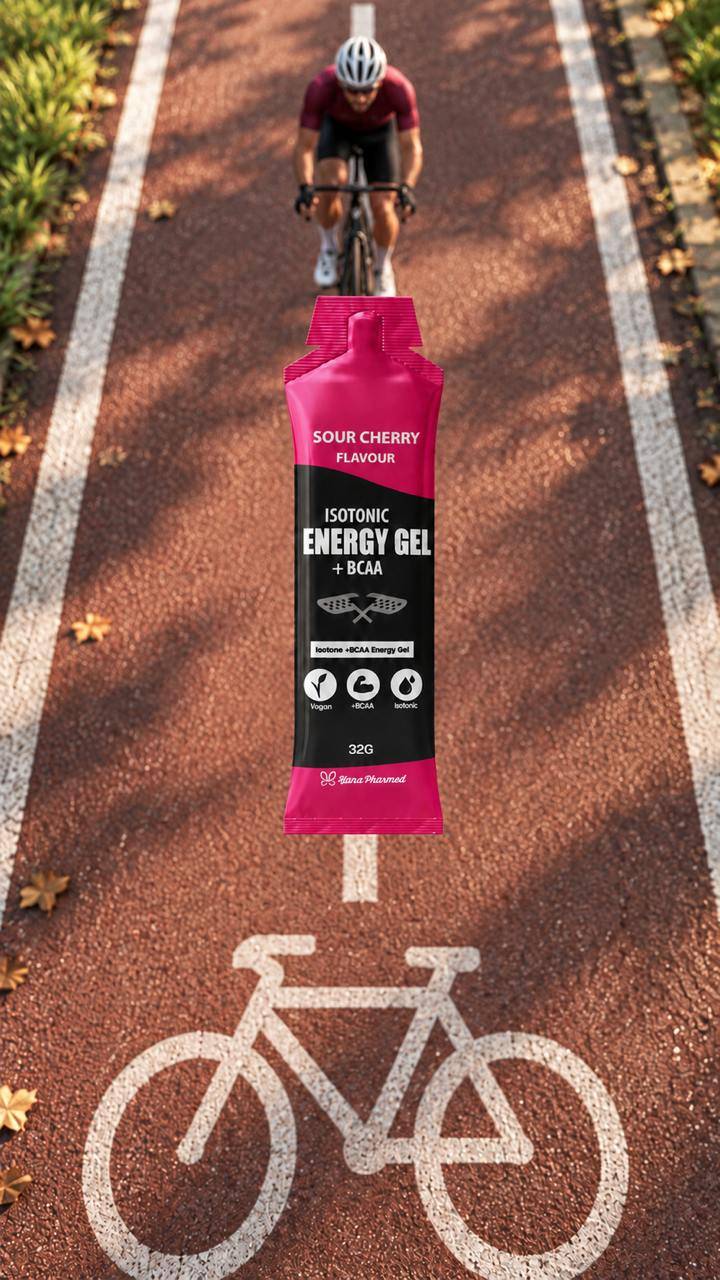
| 1 to 2.5 hours | 30 to 60 g | Isotonic gel every 20 to 30 min + sports drink |
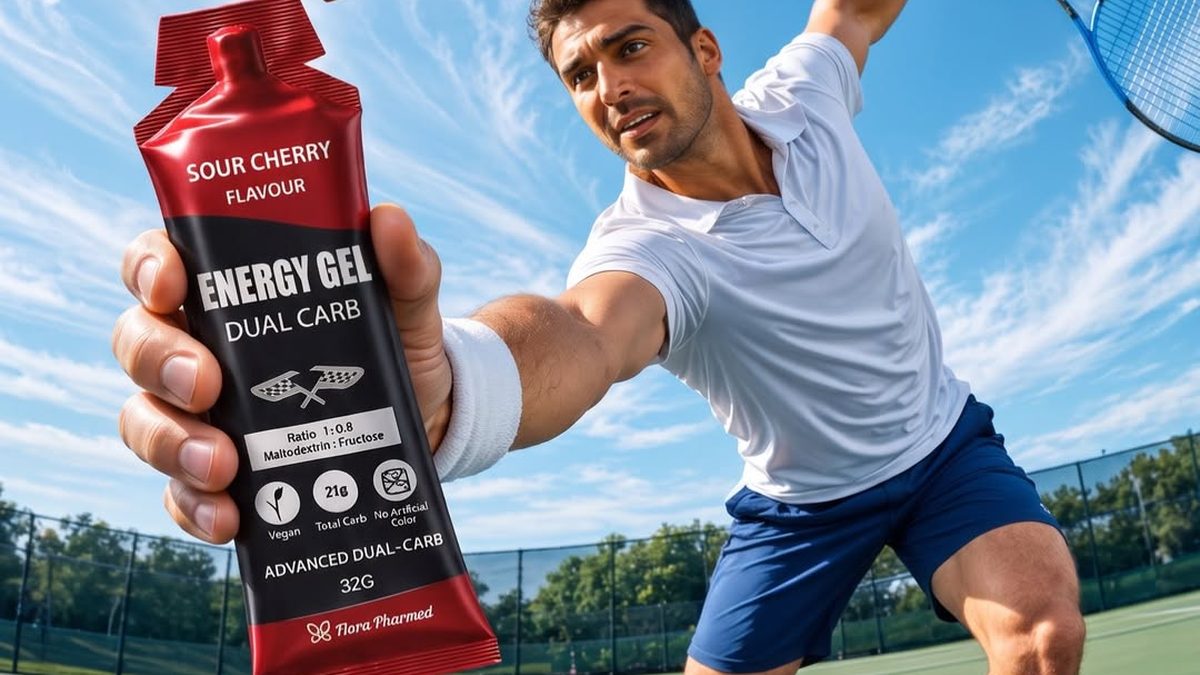
| Over 2.5 hours | Up to 90 g (glucose + fructose) | Dual Carb gel + sports drink |
At higher intakes, combining two sugars matters: glucose (or maltodextrin) and fructose are absorbed through separate routes in the gut, so the body can take in more carbohydrate per hour with less stomach upset. The Hora Dual Carb gel is built on this principle.
Swimming: fuelling without a heavy stomach
Pool sessions
In pool sessions longer than an hour, keep a bottle and a gel at the end of your lane and take them in the rest between sets. The Isotonic energy gel needs no extra water and, being close to the concentration of body fluids, usually sits lighter in the stomach: important when you swim horizontally.
Open water
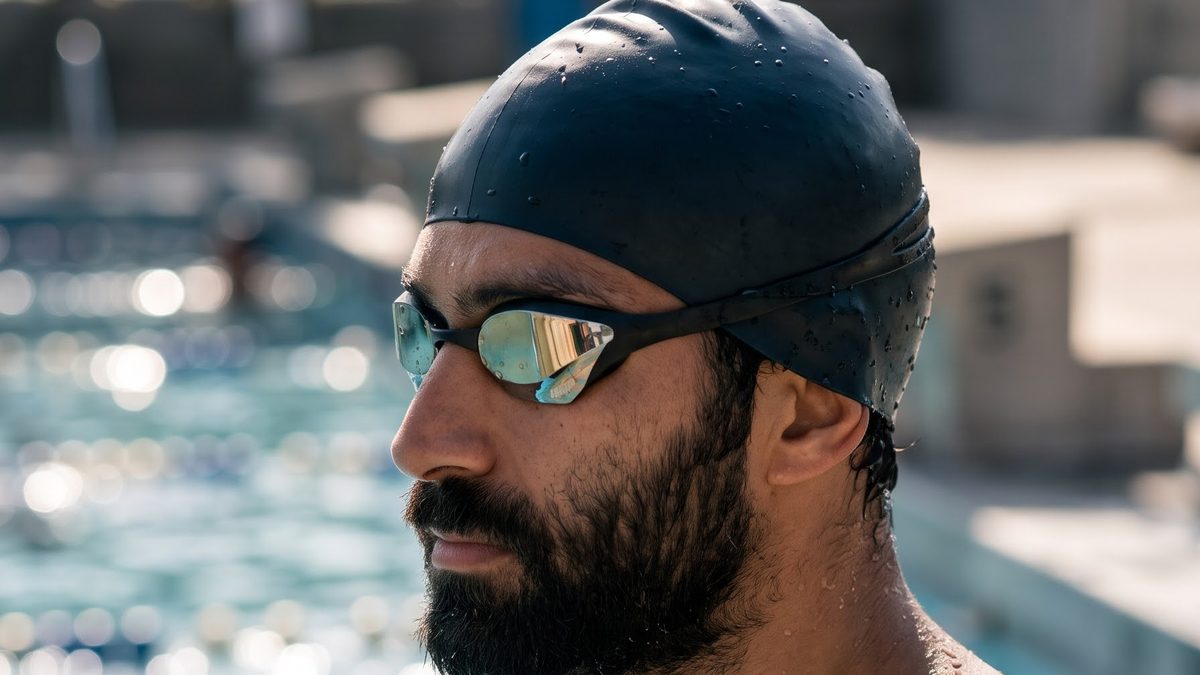
On long open-water swims, feeds usually come every 20 to 30 minutes from a support boat or feeding pole. A few sips of sports drink plus a gel at each stop is a common pattern. In cold water the body burns extra energy to stay warm, so do not skip feeds.
- Open the gel a few seconds before the stop so you do not lose time.
- Take a few small sips at each stop rather than a lot at once.
- Avoid fatty, high-fibre food in the hour before you swim.
- Try any new plan in training first.
Hydration: you sweat in the water too
Swimmers do not feel themselves sweat, but in a warm pool or a long session they lose a fair amount of fluid. For sessions over two hours, drink something with electrolytes (sodium) rather than plain water. Weighing yourself before and after training is the best way to learn your own sweat rate.
Running and cycling
The principles are the same; the practice differs. Cyclists find it easier to eat and can reach higher carbohydrate intakes; runners are more prone to stomach upset from the jolting and should take fuel in smaller, steadier amounts. Read more in bonking vs hitting the wall and cycling fuel on race day vs training.
After long sessions
For recovery, have carbohydrate and protein in the first hour and replace the fluid you lost. In very long sessions, the Hora BCAA gel with 1425 mg branched-chain amino acids is another option during the session.
Compare every formula on the Hora energy gels page.